Do-Minus philosophy hero

Architecture

of stillness

Restored houses, softened light, and intentional silence. This philosophy moves at the pace of architecture, where luxury is measured by space, atmosphere, and emotional calm.

A paced narrative of architecture, restraint, and inhabited calm.

Subtraction as Method

The name Do-Minus begins with a quiet refusal — to add, to embellish, to perform. Born from Riccarda Guidotti and Andrea Frapolli's devotion to restoration, it breathes life into Mies van der Rohe's conviction that less holds more, and into the Japanese understanding that beauty lives in imperfection and impermanence. Space becomes generous. Silence becomes eloquent. Material honesty becomes the only luxury worth having.

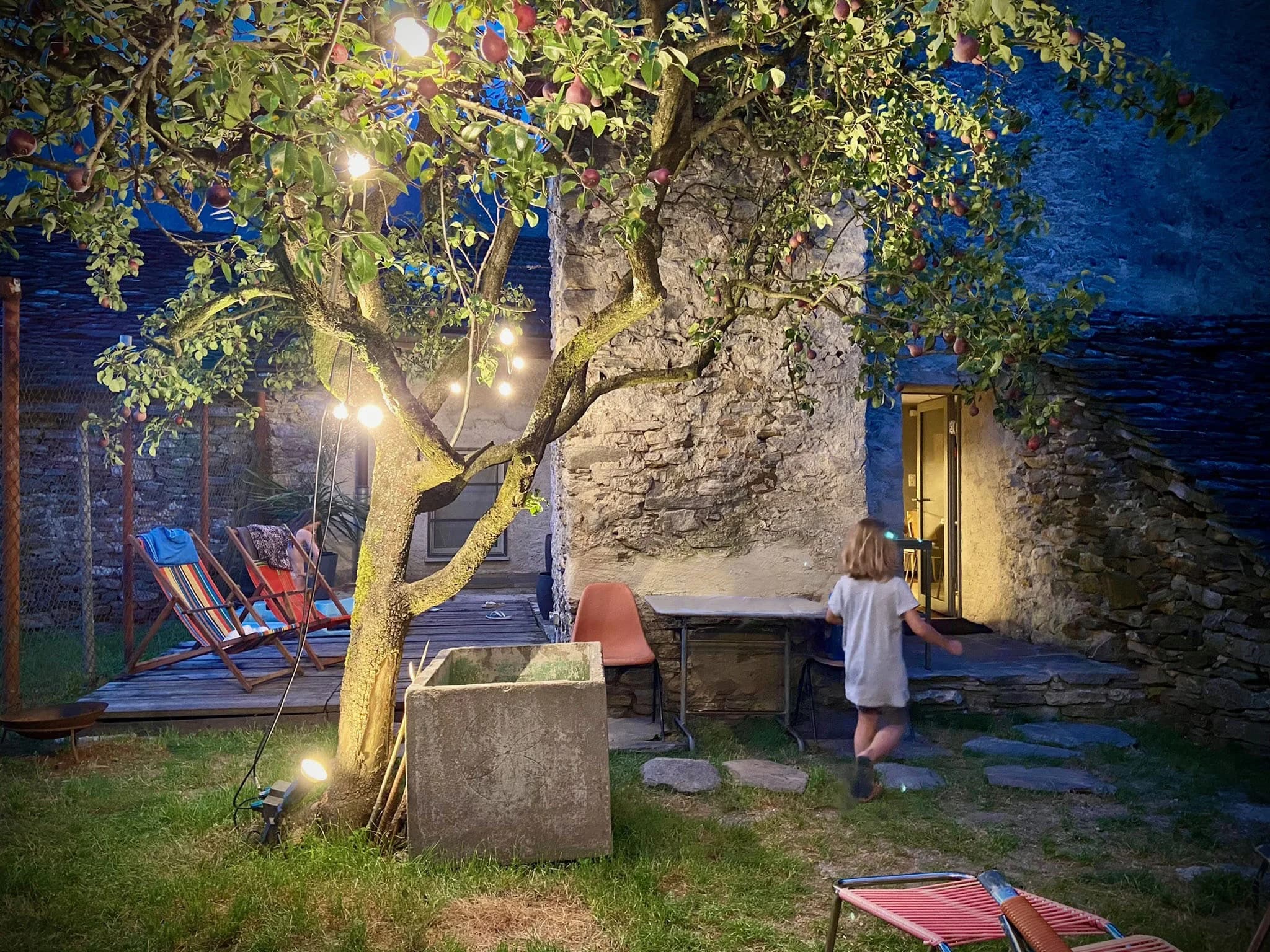
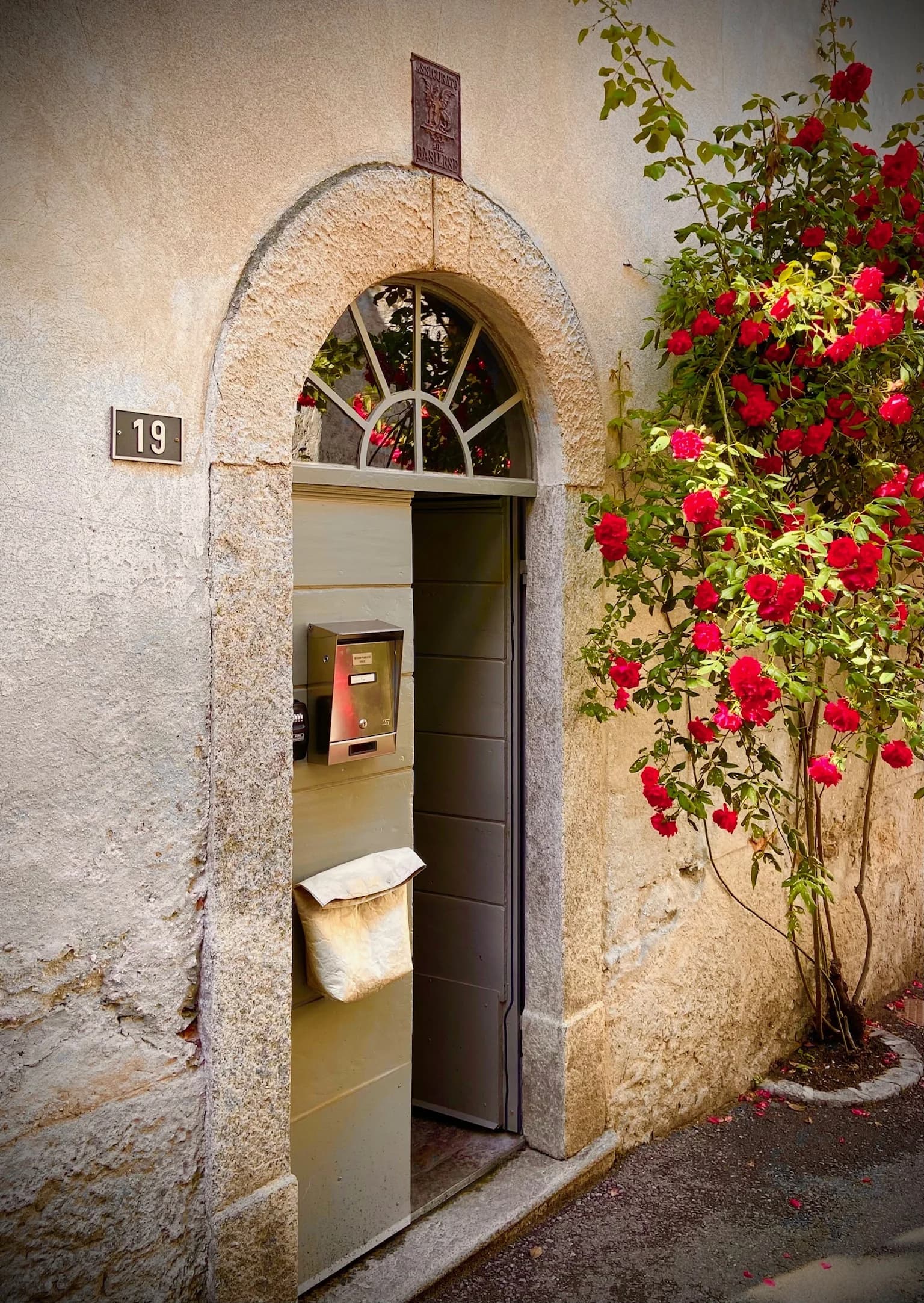
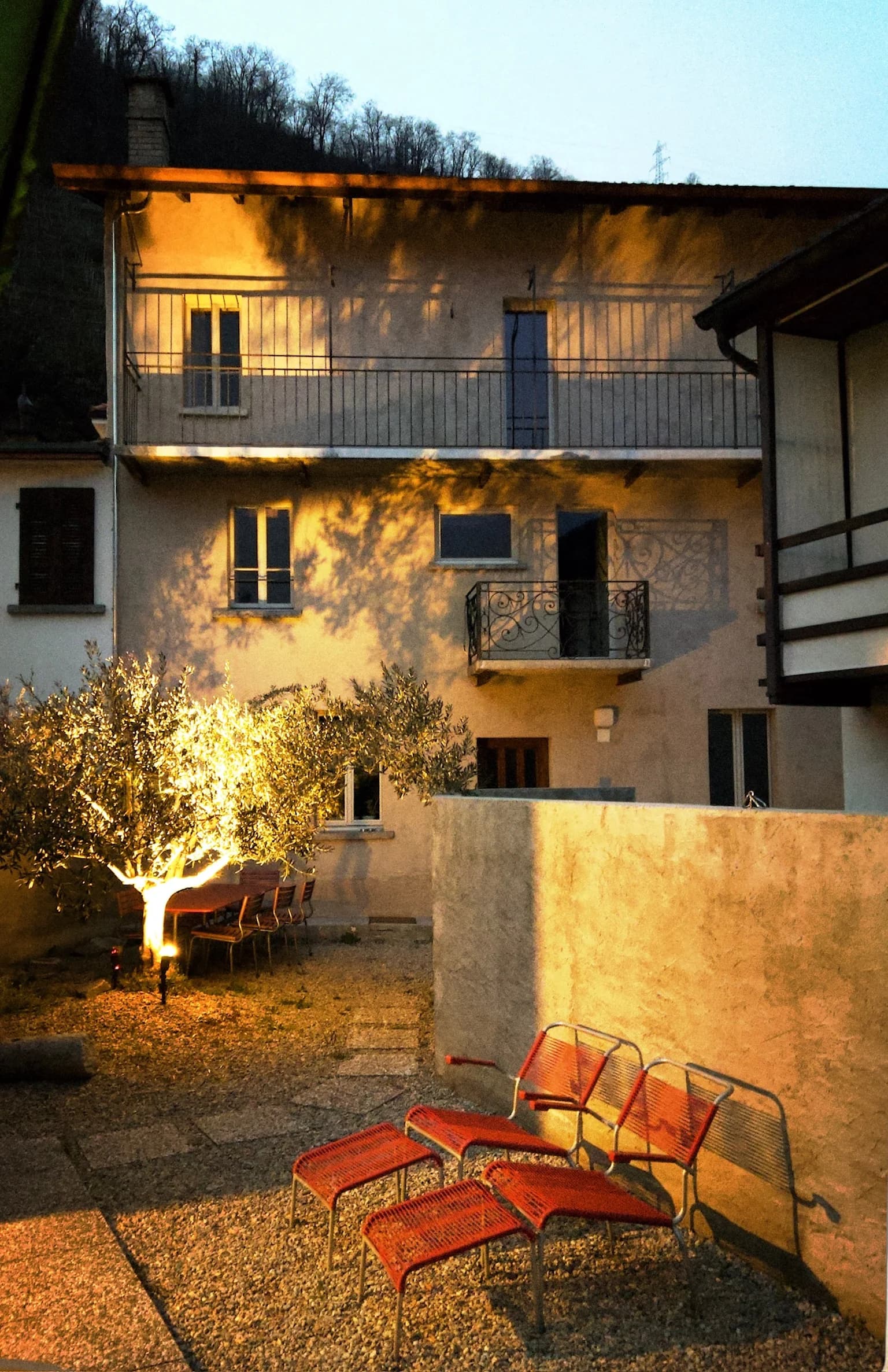
Historic facade held in quiet evening light
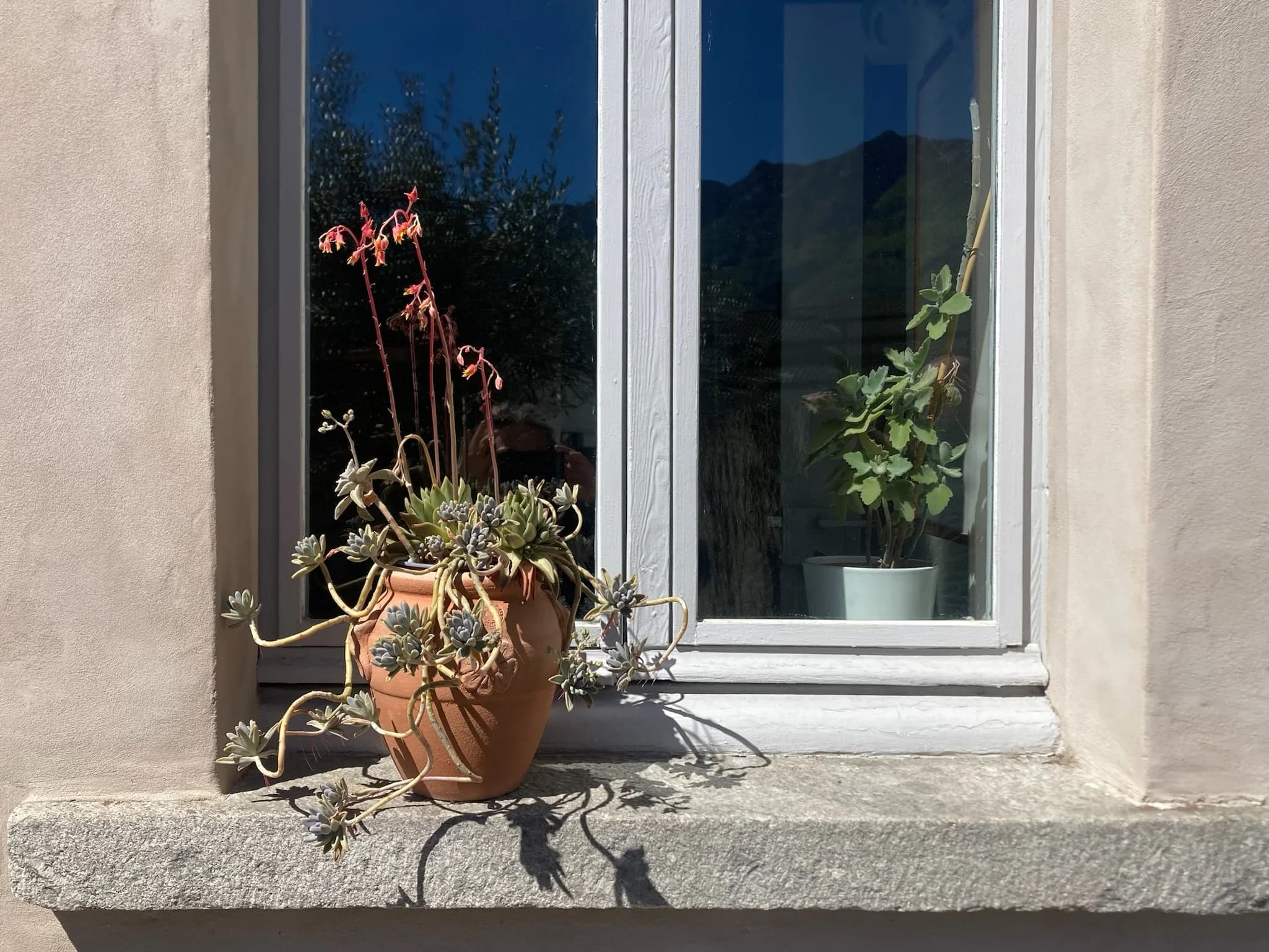
Stone threshold with minimal contemporary detail

Rhythm Over Rush

Each house is composed like a slow breath: stone cool beneath bare feet, the grain of old timber warm against the hand, and light that moves through a room with unhurried patience — from pale morning to amber dusk. Coffee comes first, taken in stillness. Fire comes last, with mountain air drifting through a half-open door. Nothing here is built for speed. Everything is built for presence.

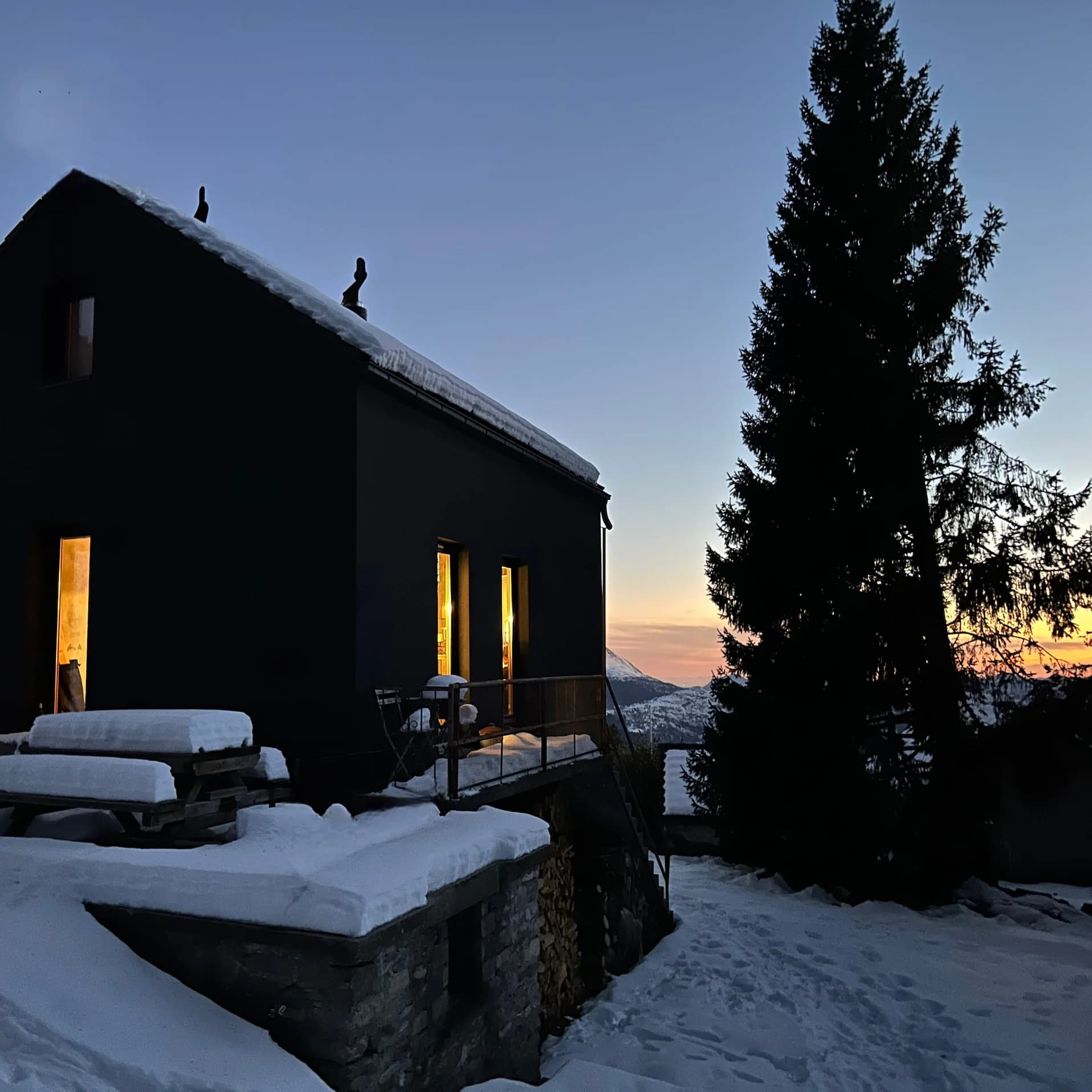
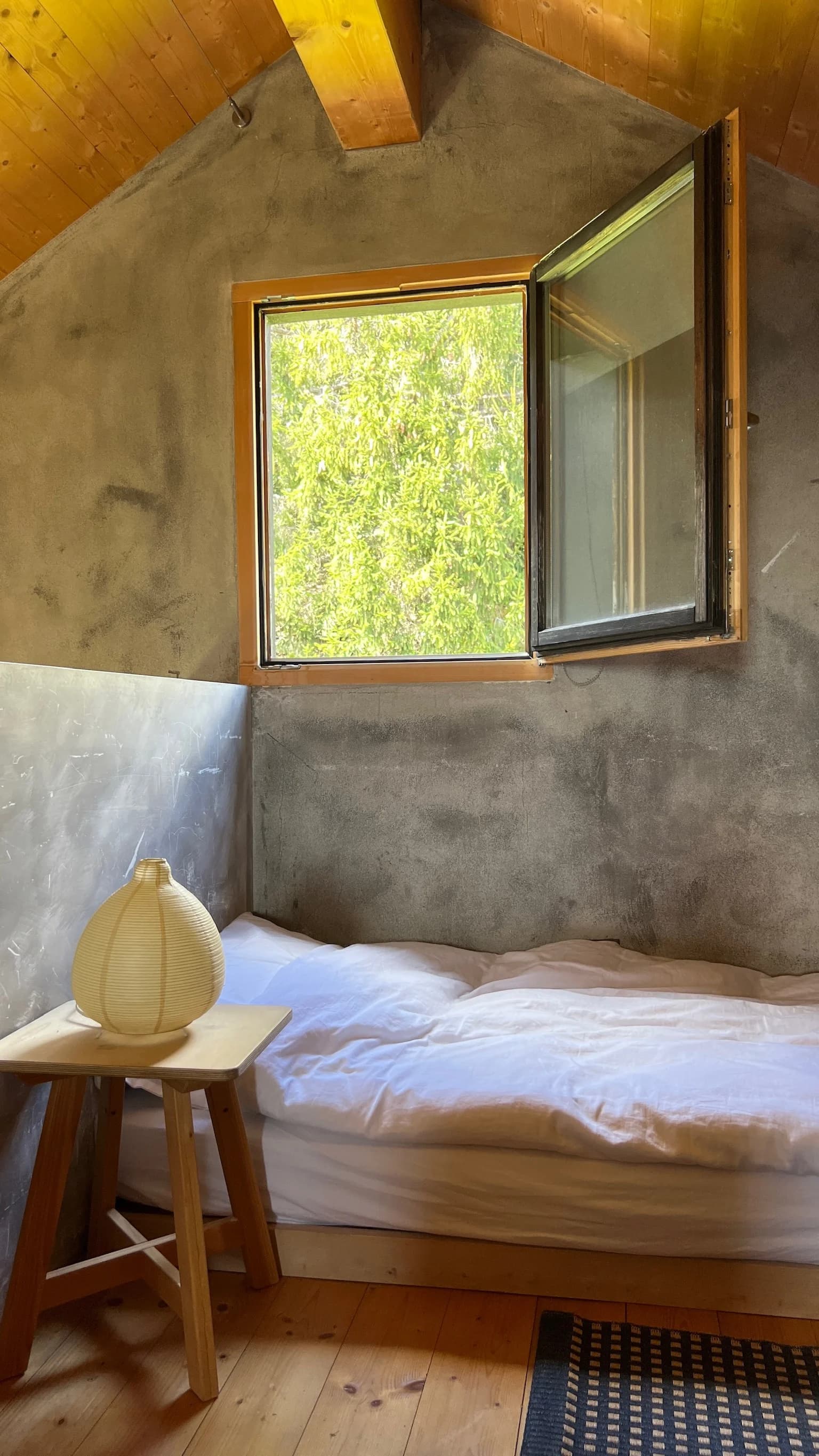
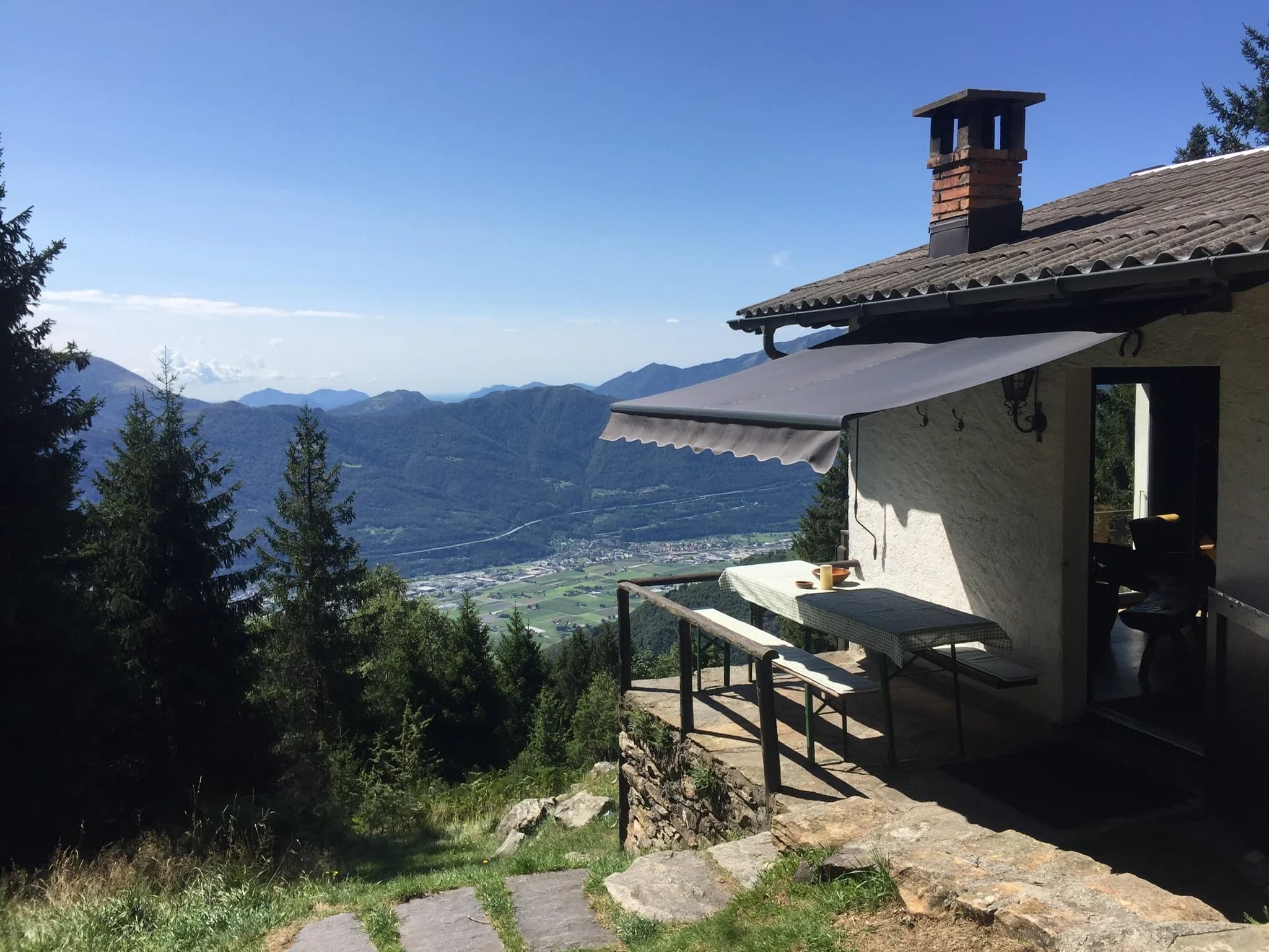
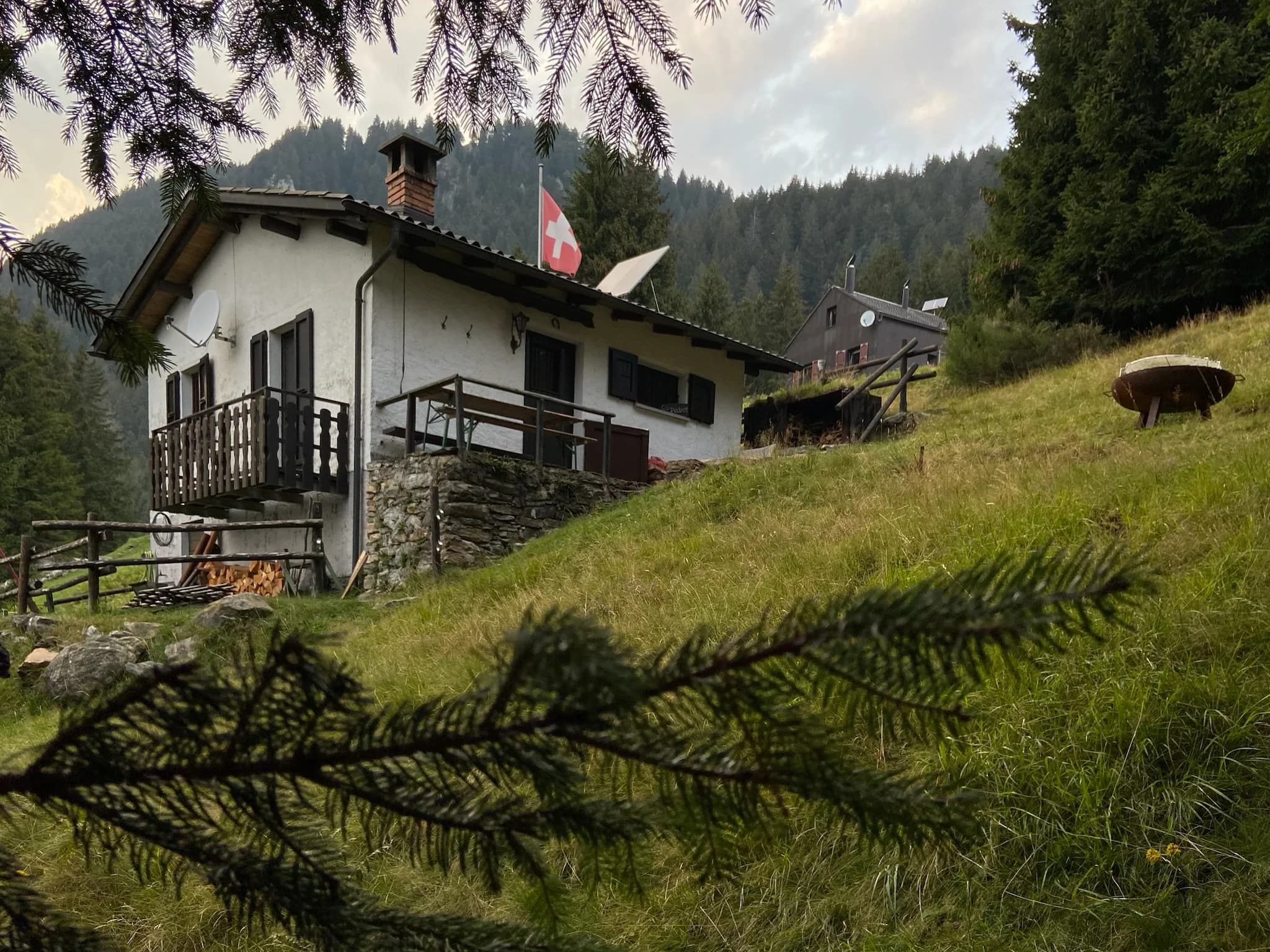
Mountain shelter immersed in alpine stillness
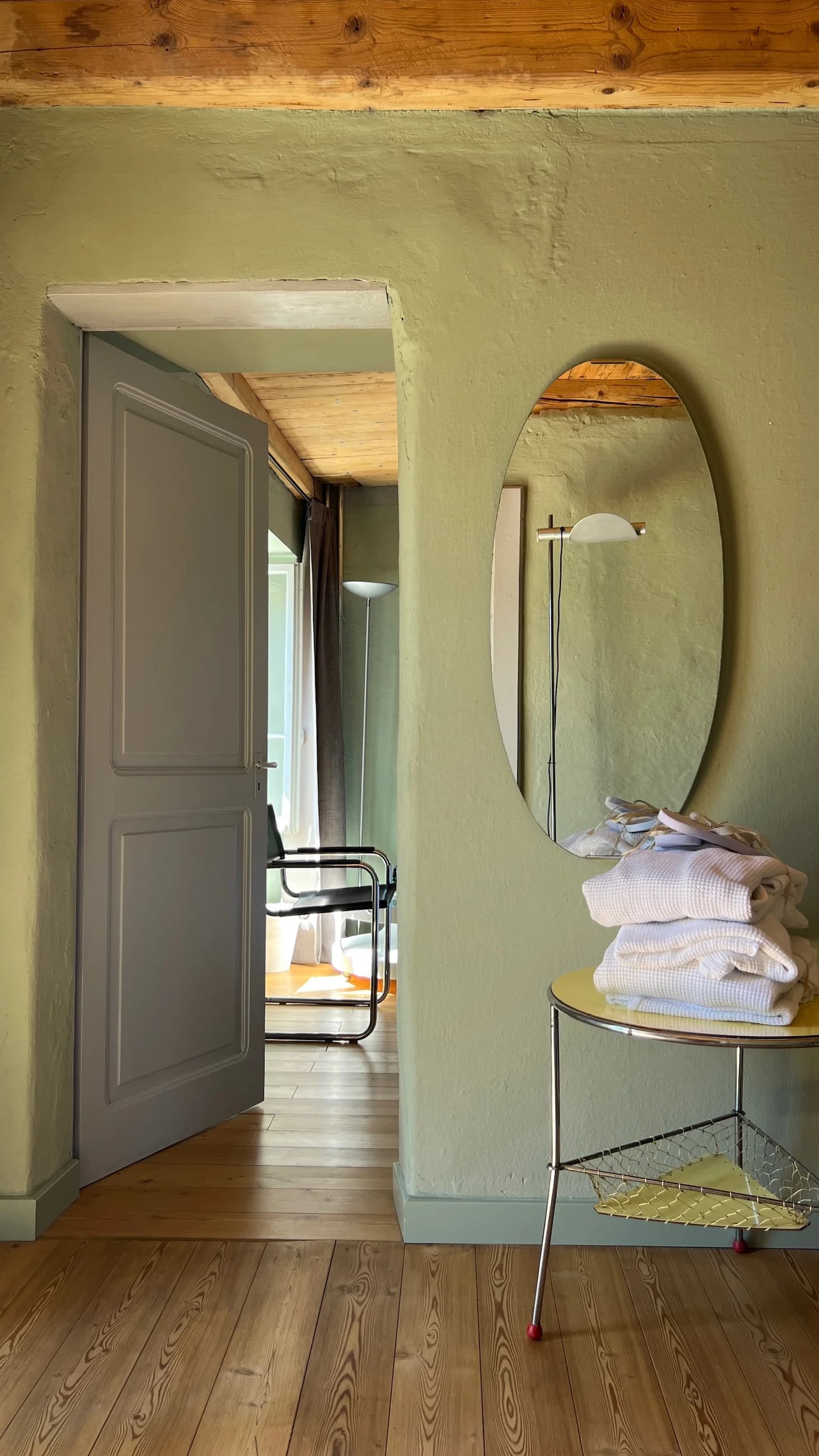
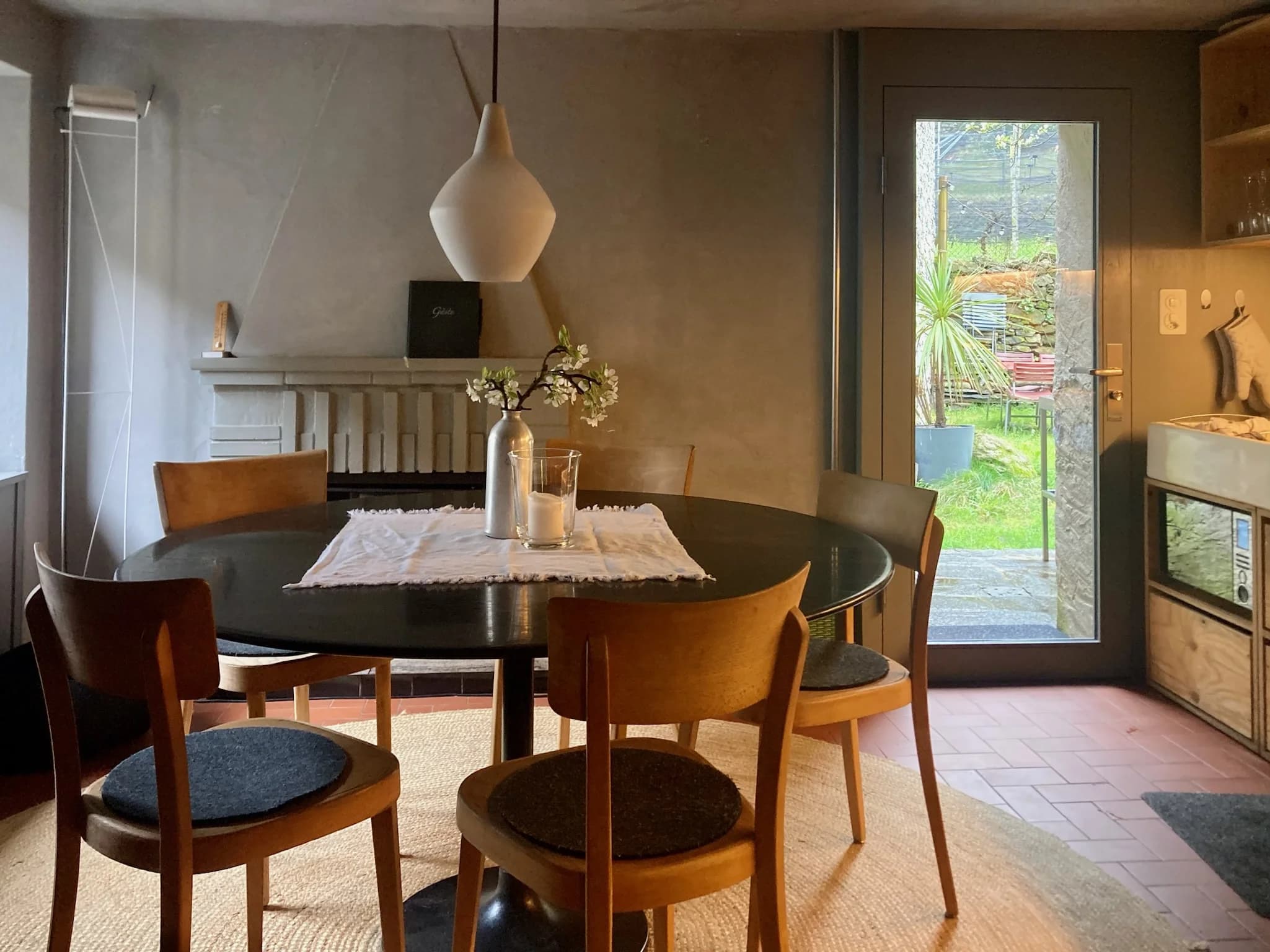
Warm interior tones shaped by natural light

Conservative Restoration

In 2017, an abandoned house in Gnosca became a turning point — a promise made to a place that had been forgotten. The method was simple and it demanded restraint: restore, but do not erase. Every intervention is precise, adding only what the present truly requires while letting the past remain visible in every stone, every threshold, every wear-worn surface. The result is a conversation between eras, where memory and modern comfort speak softly to one another.

Restored Ticino exterior balancing age and clarity
Original masonry meeting subtle modern lines

Curated, Never Decorated

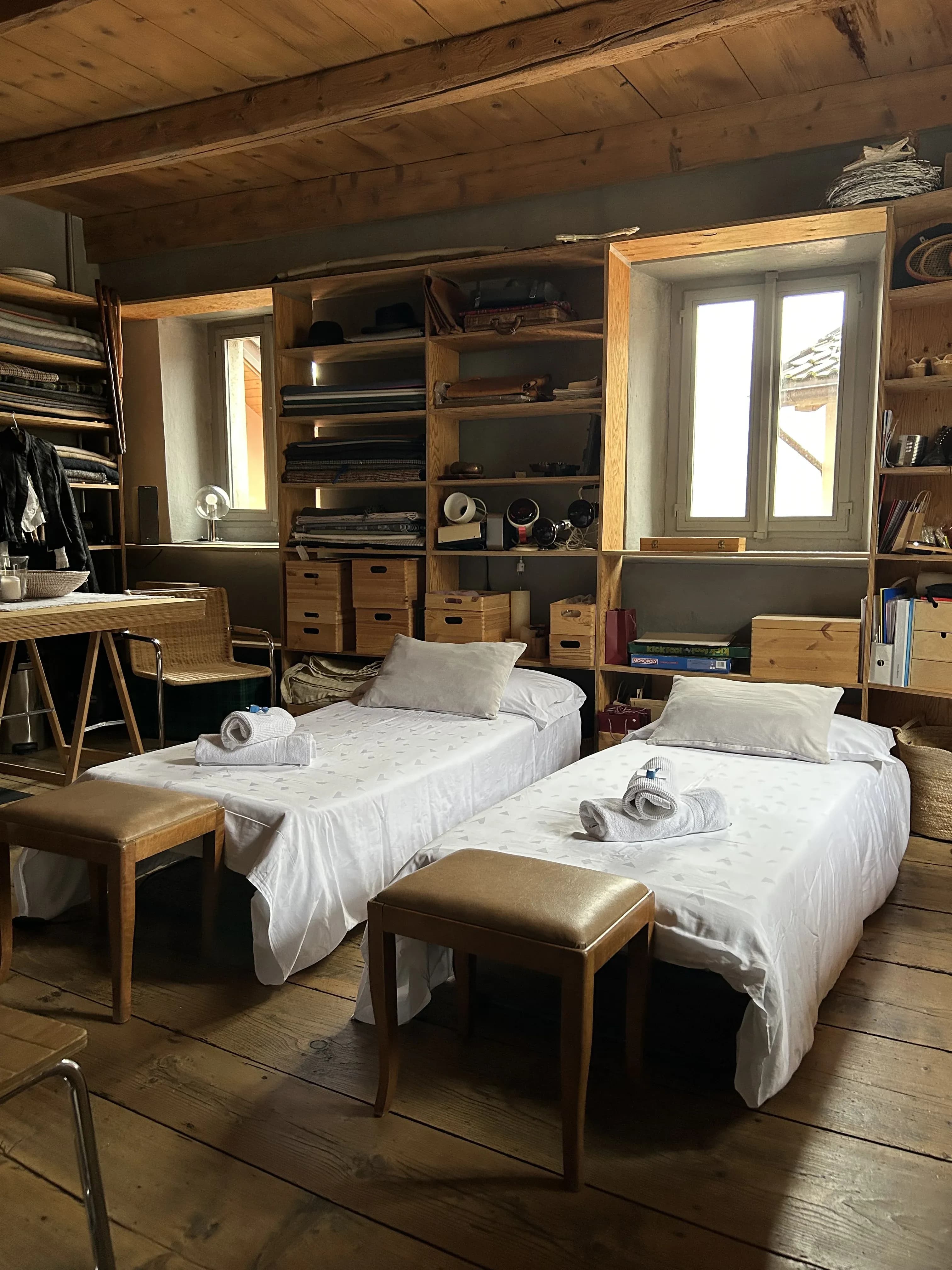
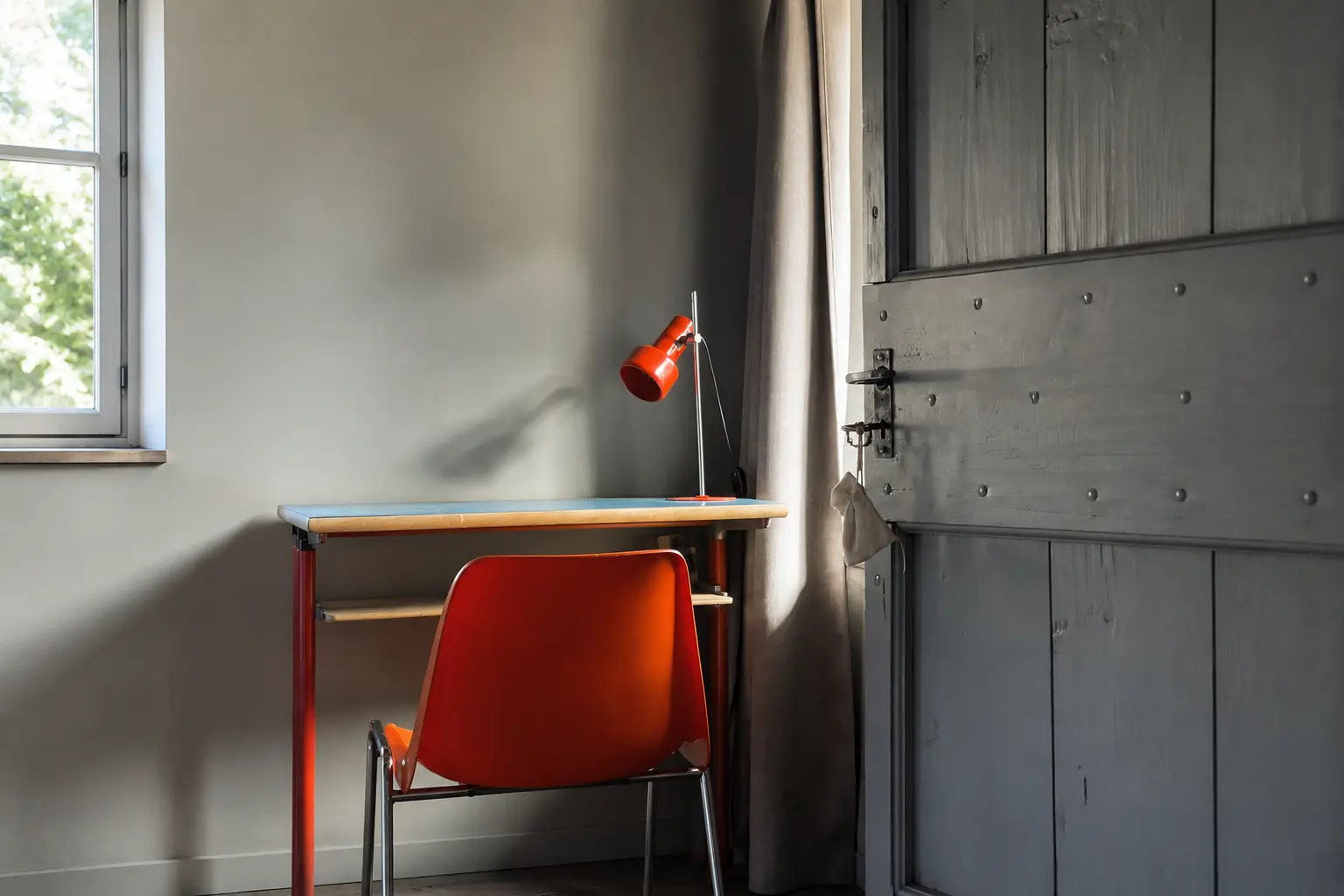
Scattered across the interiors are mid-century objects gathered over years of wandering European flea markets — chairs with conviction, lamps with character, shelves that remember. These are not styling props arranged for a photograph. They are cultural fragments from the 1950s through the 1970s, a period when architects and designers still believed in making things with purpose. Each room feels authored rather than assembled, intimate rather than impressive.

Vintage shelving and tactile design accents

Landscape as Atmosphere

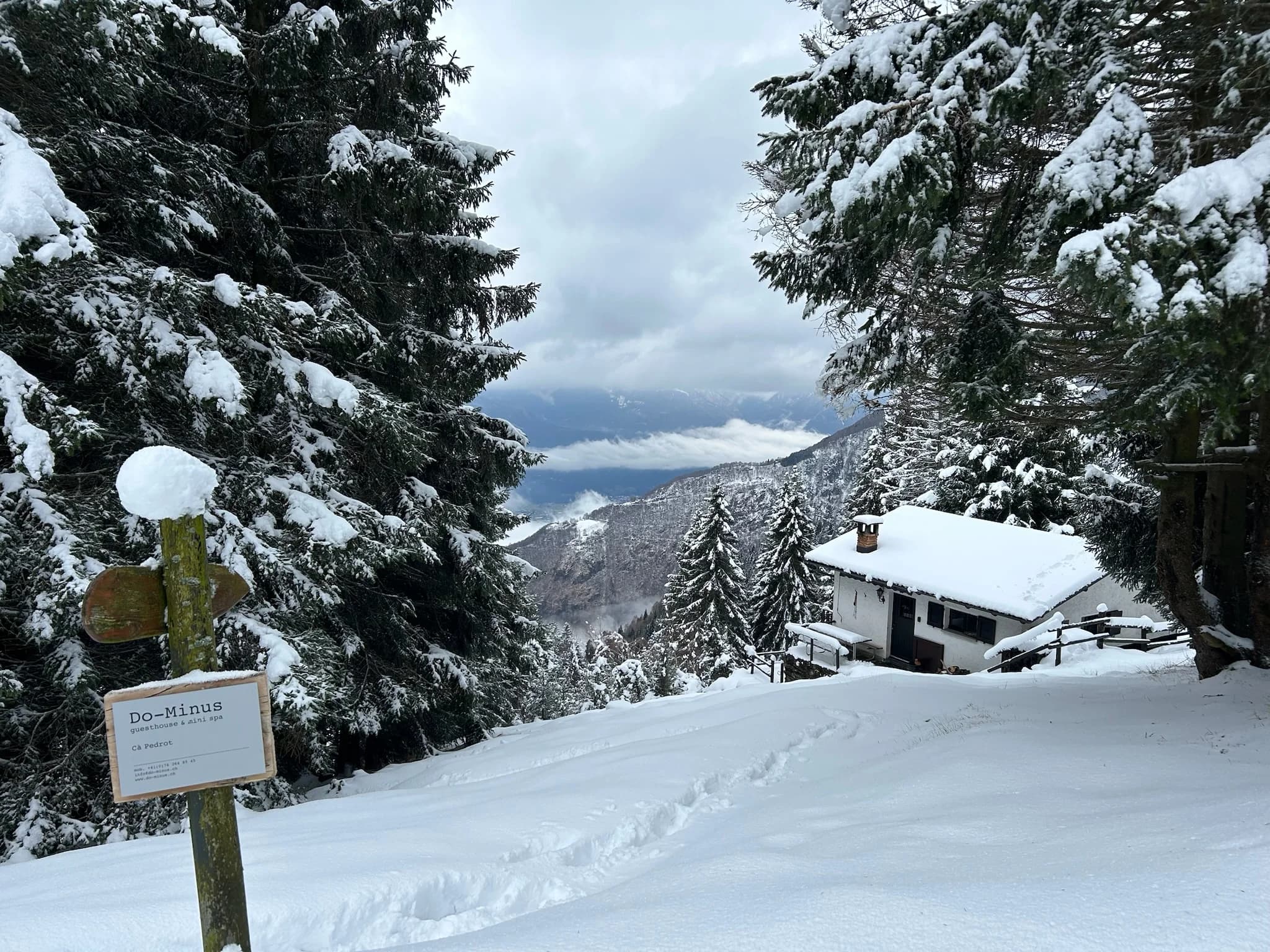
Every Do-Minus property was chosen for how it listens to the land around it — a waterfall heard before it is seen, a forest that presses close, a lake horizon that holds the sky, a ridgeline that changes with the weather. The seasons rewrite each stay entirely: winter light settling into snow, autumn gold burning briefly before it fades. Nature here is not the backdrop to the architecture. It is its most essential collaborator.

Open panorama where mountain weather leads the mood
Winter light dissolving into the alpine horizon

Private Spa Rituals

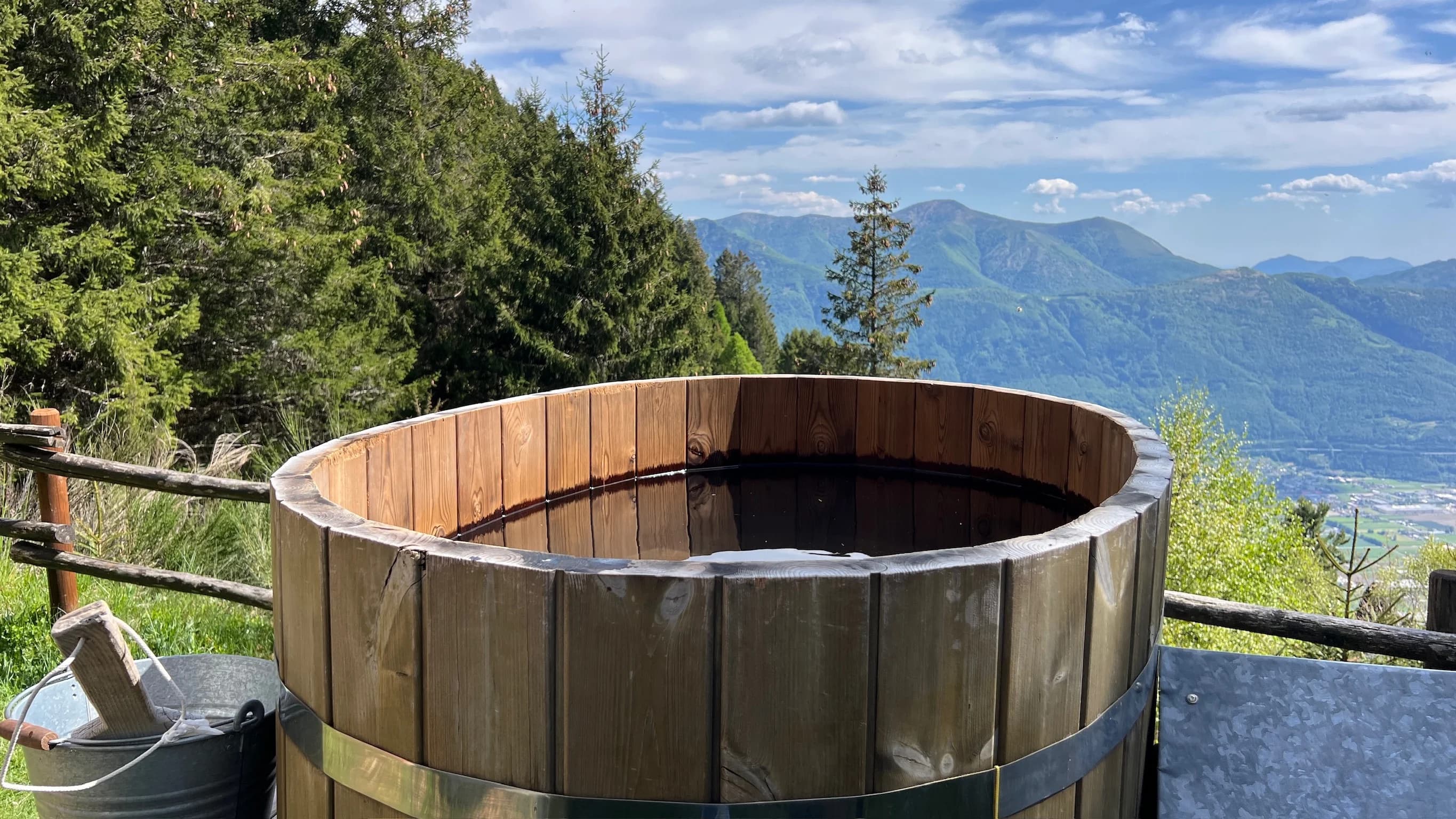
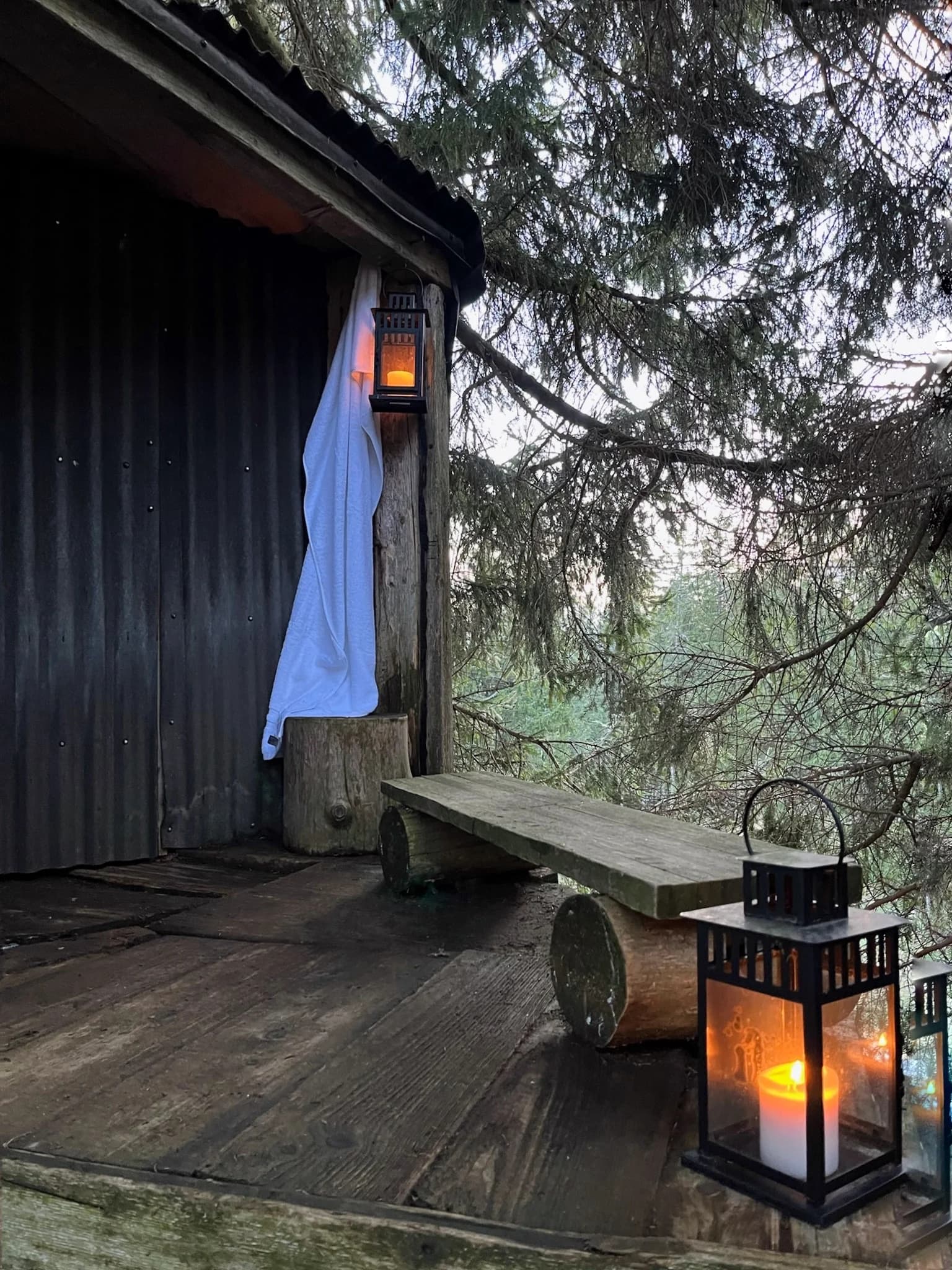
Every retreat holds a private wellness space designed around intimacy rather than spectacle — the slow heat of a sauna, the mineral warmth of an outdoor hot pot, long pauses in which conversation becomes optional. This is not treatment as performance. It is something quieter: a gradual restoration of the nervous system, a returning to the body after days of being elsewhere. Calm is not a feature here. It is the entire point.

Sauna and hot-pot moments after mountain walks
Wellness corner embedded in raw natural textures

Presence Over Excess

For Do-Minus, luxury is measured in what is absent as much as what remains — in space that breathes, in objects chosen with care, in days unhurried by agenda. It is an ethics of restraint: authenticity over gloss, atmosphere over ornament, depth over display. You do not arrive to consume a place. You arrive to step inside it fully, and — perhaps for the first time in a long while — to feel entirely at home in the moment.

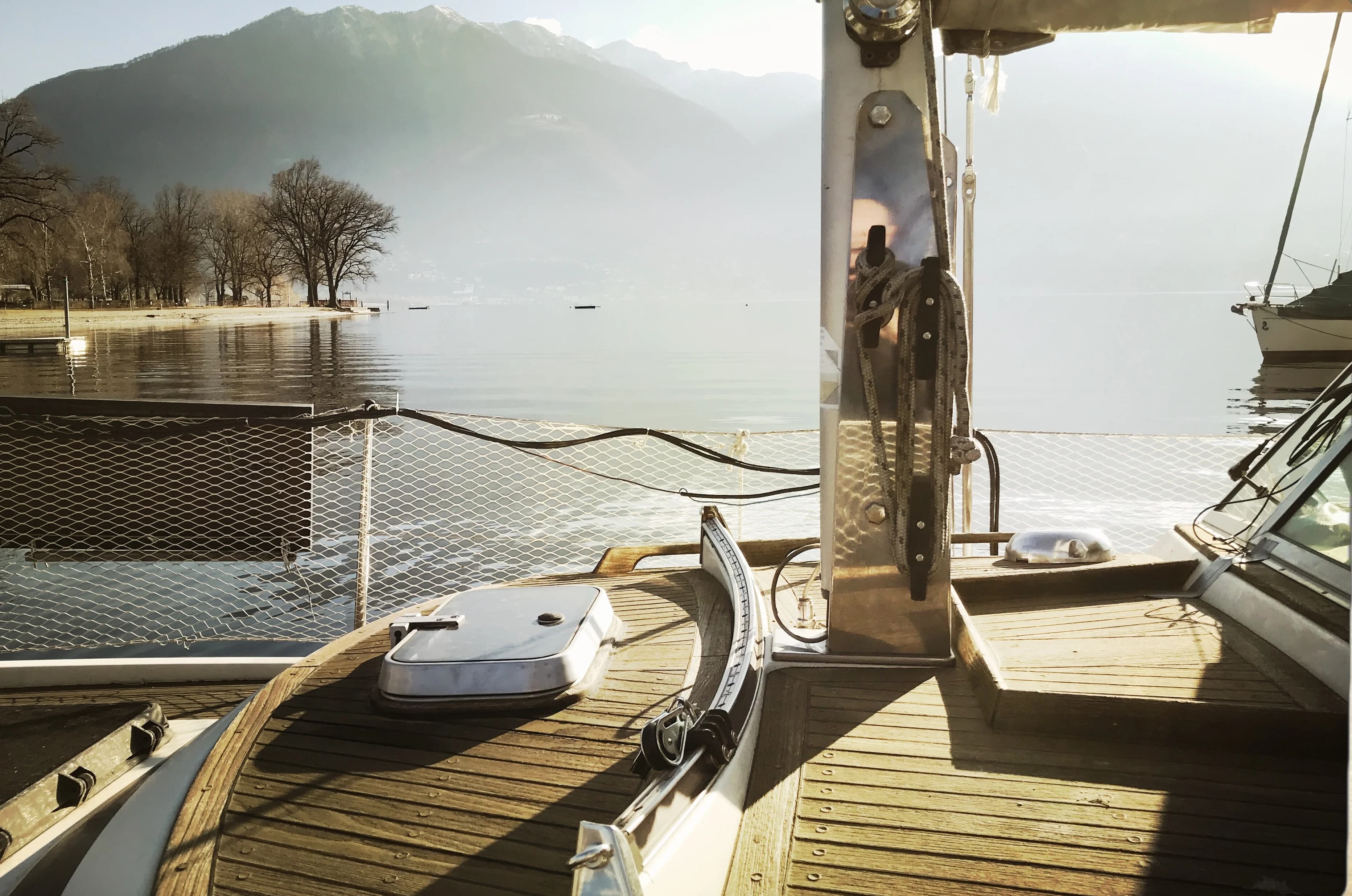
Minimal shelter between lake, sky, and silence
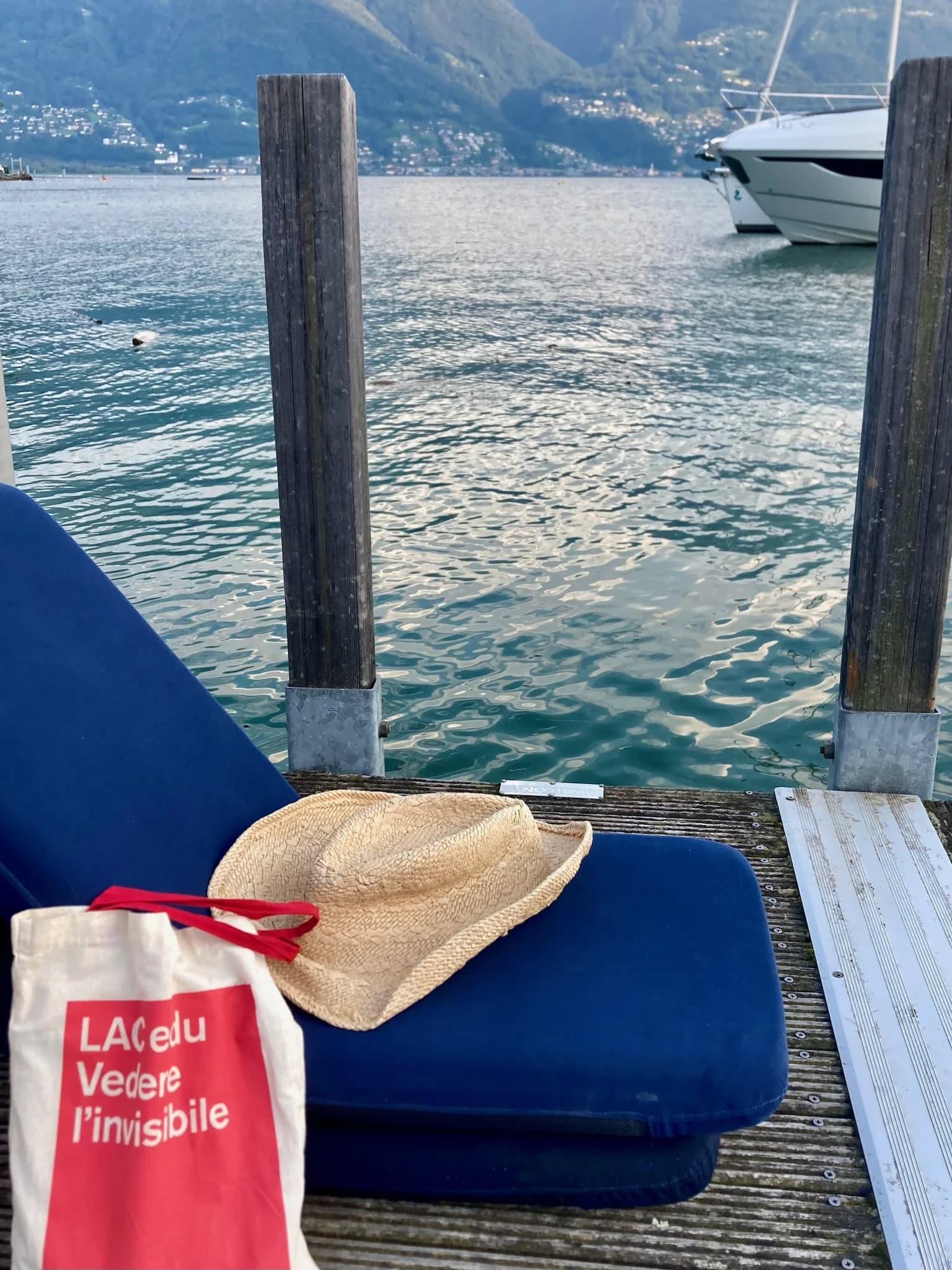
Quiet deck rituals at the edge of the water

Return to Yourself

This collection was made to honour houses that might otherwise have been lost, to sustain the culture of a particular corner of Ticino, and to offer a more conscious, more deliberate way of travelling through it. Whether you arrive at a village home, a mountain refuge, or a floating shelter on the water, the invitation remains the same: slow down, listen carefully, and find your way back to your own rhythm. At Do-Minus, checking in feels less like arriving somewhere new — and more like coming back to yourself.

A final view that invites slower living